Τετάρτη 13 Ιουλίου 2022

Low compliance to post‐screening recommendations in a family‐based Helicobacter pylori screening and treatment program: A prospective cohort study

alexandrossfakianakis shared this article with you from Inoreader

Abstract

Background

Intra-family transmission is an important Helicobacter pylori (H. pylori) infection route. Family-based screening and treatment of H. pylori is a promising strategy. However, limited data are available on patient compliance with post-screening recommendations for such a strategy.

Materials and Methods

A prospective cohort study of families from six regions in Shandong, China, from July 2021 to February 2022 was conducted. Demographic characteristics, prior testing, and treatment for H. pylori, prior gastroscopy, symptoms, and family history were collected. Infection status of participants was determined using the 13C-urea breath test. Infected participants were recommended to undergo eradication treatment, confirmation testing, and gastroscopy per expert consensus. Participants were monitored for 6 months to record recommendation compliance in a real-world setting. Logistic regression models were used to analyze the factors influencing compliance with the recommendations.

Results

The study included 1173 individuals from 386 families with the overall infection rate of 36.7%. The recommendation compliance for eradication treatment, confirmation testing, and gastroscopy was 69.3% (271/391), 32.5% (88/271), and 6.1% (19/309), respectively. Factors that increased the risk of lower compliance were male sex (odds ratio [OR], 1.917, 95% confidence interval [CI], 1.233–2.981), and living in a non-urban area (OR, 1.954, 95% CI, 1.241–3.074), for treatment recommendations; having more than one infected family member (OR, 2.138, 95% CI, 1.237–3.698), and a lower family income (¥100,000–¥300,000 per year, OR, 7.247, 95% CI, 1.788–29.363; or <¥100,000 per year, OR, 7.294, 95% CI, 1.832–29.042), for confirmation testing recommendations; and being asymptomatic (OR, 3.009, 95% CI, 1.105–8.196), for gastroscopy recommendations.

Conclusions

Post-screening recommendation compliance for this family-based H. pylori screening and treatment program was unsatisfactory. Further studies focusing on pre-screening education are warranted to improve compliance.

View on Web

Τρίτη 12 Ιουλίου 2022

Understanding Etiologic Pathways Through Multiple Sequential Mediators: An Application in Perinatal Epidemiology

alexandrossfakianakis shared this article with you from Inoreader

SocialThumb.00001648.DC.jpeg

Background: Causal mediation analysis facilitates decomposing the total effect into a direct effect and an indirect effect that operates through an intermediate variable. Recent developments in causal mediation analysis have clarified the process of evaluating how – and to what extent – different pathways via multiple causally ordered mediators link the exposure to the outcome. Methods: Through an application of natural effect models for multiple mediators, we show how placental abruption might affect perinatal mortality using small-for-gestational-age (SGA) birth and preterm delivery as two sequential mediators. We describe methods to disentangle the total effect into the proportions mediated via each of the sequential mediators, when evaluating natural direct and natural indirect effects. Results: Under the assumption that SGA births causally precedes preterm delivery, an analysis of 16.7 million singleton pregnancies is consistent with the hypothesis that abruption exerts powerful effects on perinatal mortality (adjusted risk ratio=11.9; 95% confidence interval 11.6, 12.1). The proportions of the estimated total effect mediated through SGA birth and preterm delivery were 2% and 58%, respectively. The proportion unmediated via either SGA or preterm delivery was 41%. Conclusions: Through an application of causal mediation analysis with sequential mediators, we uncovered new insights into the pathways along which abruption impacts perinatal mortality. Copyright © 2022 Wolters Kluwer Health, Inc. All rights reserved.
View on Web

The Problem of Appetite Loss After Major Abdominal Surgery: A Systematic Review

alexandrossfakianakis shared this article with you from Inoreader
imageObjective: To systematically review the problem of appetite loss after major abdominal surgery. Summary of Background Data: Appetite loss is a common problem after major abdominal surgery. Understanding of etiology and treatment options is limited. Methods: We searched Medline, Cochrane Central Register of Controlled Trials, and Web of Science for studies describing postoperative appetite loss. Data were extracted to clarify definition, etiology, measurement, surgical influence, pharmacological, and nonpharmacological treatment. PROSPERO registration ID: CRD42021224489. Results: Out of 6144 articles, we included 165 studies, 121 of which were also analyzed quantitatively. A total of 19.8% were randomized, controlled trials (n = 24) and 80.2% were nonrandomized studies (n = 97). The studies included 20,506 patients undergoing the following surgeries: esophageal (n = 33 studies), gastric (n = 48), small bowel (n = 6), colon (n = 27), rectal (n = 20), hepatobiliary (n = 6), and pancreatic (n = 13). Appetite was mostly measured with the Quality of Life Questionnaire of the European Organization for Research and Treatment of Cancer (EORTC QLQ C30, n = 54). In a meta-analysis of 4 randomized controlled trials gum chewing reduced time to first hunger by 21.2 hours among patients who had bowel surgery. Other reported treatment options with positive effects on appetite but lower levels of evidence include, among others, intravenous ghrelin administration, the oral Japanese herbal medicine Rikkunshito, oral mosapride citrate, multidisciplin-ary-counseling, and watchin g cooking shows. No studies investigated the effect of well-known appetite stimulants such as cannabinoids, steroids, or megestrol acetate on surgical patients. Conclusions: Appetite loss after major abdominal surgery is common and associated with increased morbidity and reduced quality of life. Recent studies demonstrate the influence of reduced gastric volume and ghrelin secretion, and increased satiety hormone secretion. There are various treatment options available including level IA evidence for postoperative gum chewing. In the future, surgical trials should include the assessment of appetite loss as a relevant outcome measure.
View on Web

Δευτέρα 11 Ιουλίου 2022

Extramedullary focal fat - fluid level, a specific sign of osteomyelitis

Balaji Anvekar's Neuroradiology Cases

________________________________

Extramedullary focal fat - fluid level, a specific sign of osteomyelitis

Posted: 11 Jul 2022 09:37 PM PDT

 A 14 yo male with pain in calcaneum since 1months.


MRI foot for calcaneum with CT correlation shows:

Heterogeneous signal abnormality diffusely involving calcaneum with multiple low signal intensity foci diffusely scattered in calcaneum on T1-weighted images which are hyperintense on STIR. Rest of the intervening calcaneum medulla shows faint high signal on STIR.

No obvious density abnormality on CT. No obvious sclerotic or lytic lesion. No obvious cortical destruction or sclerosis.

There is a focal lentiform shaped parosteal collection measuring approximately 26 mm in height and 6 mm in thickness medially at 2 o'clock position and 4 mm in thickness laterally on plantar aspect at 7 o'clock position on axial section.

There is fat – fluid level within this collection, focal fat in the supernatant portion of this collection which is hyperintense on T1-weighted images with complete signal suppression on STIR, this portion follows classical fat density on CT.

There is an associated diffuse oedema involving muscles of plantar aspect of foot especially quadratus plantae muscle, medial as well as lateral teno synovitis.

This finding suggestive of extramedullary focal fat - fluid level which is a pathognomonic sign of acute to subacute osteomyelitis.

Findings were discussed with the referring physician before finalizing the report, who added that there is elevation of inflammatory markers in lab reports and the suspicion of osteomyelitis clinically as well, with a feedback of significant improvement clinically after IV antibiotics.

Take home note is during MSK MRI interpretation, a bone marrow signal abnormality with an associated focal periosteal extra medullary fat – fluid level, osteomyelitis should be in the list of your differential diagnosis.

References:

1. Extra-osseous fat fluid level: a specific sign for osteomyelitis. Kumar J, Bandhu S, Kumar A, Alam S. Skeletal Radiol. 2007 Jun;36 Suppl 1:S101-4. doi: 10.1007/s00256-006-0194-1. Epub 2006 Sep 19.

2. Intramedullary and extramedullary fat globules on magnetic resonance imaging as a diagnostic sign for osteomyelitis. Davies AM, Hughes DE, Grimer RJ. Eur Radiol. 2005 Oct;15(10):2194-9. doi: 10.1007/s00330-005-2771-4. Epub 2005 Apr 29.

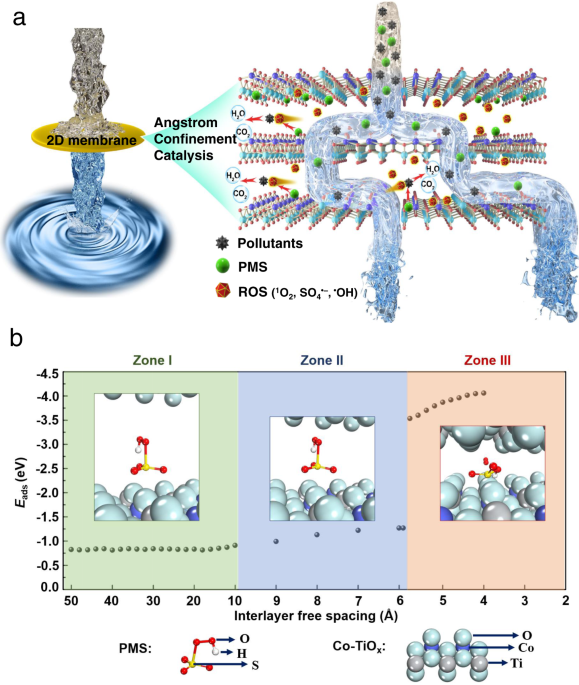
Angstrom-confined catalytic water purification within Co-TiOx laminar membrane nanochannels

alexandrossfakianakis shared this article with you from Inoreader

41467_2022_31807_Fig1_HTML.png

View on Web

Κυριακή 10 Ιουλίου 2022

Real‐life impact of tenofovir disoproxil fumarate and entecavir therapy on lipid profile, glucose and uric acid in chronic hepatitis B patients

alexandrossfakianakis shared this article with you from Inoreader

Abstract

Background & Aims

The impact of long-term nucleos(t)ide analogs treatment on host metabolism is a concern. Hence, we conducted this study to compare the effect of entecavir (ETV) and tenofovir disoproxil fumarate (TDF) on metabolic parameters among CHB patients.

Methods

In this real-life retrospective study, 2,030 CHB outpatients treated with ETV or TDF at Nanfang Hospital, China, were included. For treatment-naïve patients, pretreatment and semiannual metabolic parameters were collected. For treatment-experienced patients, metabolic parameters were collected at the first visit. Propensity score matching (PSM) was used to balance the effects of potential confounding factors.

Results

Among 122 treatment-naïve patients and 1908 treatment-experienced patients, ETV-treated patients were older with a higher percentage of metabolic syndrome. After PSM, the characteristics were comparable between the two groups. For treatment-naïve patients, fou r lipid parameters, including total cholesterol (TC), low-density lipoprotein (LDL), high-density lipoprotein and triglyceride levels showed a decreasing trend during the 42-month TDF treatment, while they remained relatively stable or increased during ETV treatment. At month 30, the levels of TC and LDL among TDF-treated patients were significantly lower than those among ETV-treated patients (TC: 4.7 vs. 3.9 mmol/L, p=0.004; LDL: 3.0 vs. 2.4 mmol/L, p=0.009). For treatment-experienced patients, we also observed lower levels of lipid parameters in patients with different durations of TDF treatment. The levels of glucose and uric acid were similar among ETV- and TDF-treated patients.

Conclusion

TDF has a lipid-lowering effect in CHB patients, which provides a basis for the selection of antiviral drugs for aging CHB patients.

This article is protected by copyright. All rights reserved.

View on Web

Longitudinal follow‐up of HPV16 sequence after cervical infection: low intra‐host variation and no correlation with clinical evolution

alexandrossfakianakis shared this article with you from Inoreader

ABSTRACT

Human papillomavirus (HPV) 16 exhibits different variants that may differ in their carcinogenic risk. In order to identify some high-risk variants, we sequenced and compared HPV16 whole genomes obtained from a longitudinal cohort of 34 HPV16-infected women who had either spontaneously cleared their infection (clearance group or "C"), or developed cervical high-grade lesions following a viral persistence (group persistence or "P"). Phylogenetic analysis of paired samples obtained at the beginning (C0 or P0) and at the end (C2 or P2) of the follow-up (median intervals between C0-C2 and between P0-P2 were 16 and 36.5 months, respectively) revealed a low genetic variability within the host compared to the genetic inter-host diversity. By comparing our HPV16 sequences to a reference sequence, we observed 301 different substitutions, more often transitions (60.9%) than transversions (39.1%), that occurred throughout the viral genome, but with a low frequen cy in E6 and E7 oncogenes (10 and 9 substitutions), suggesting a high conservation of these genes. Deletions and insertions were mostly observed in intergenic regions of the virus. The only significant substitution found between the subgroups C2 and P2 was observed in the L2 gene (L330F), with an unclear biological relevance. Our results suggest a low longitudinal intra-host evolution of HPV16 sequences and no correlation between genetic variations and clinical evolution.

This article is protected by copyright. All rights reserved.

View on Web