Τετάρτη 9 Μαρτίου 2022

Cofilin-1 as a potential biomarker for Mycobacterium tuberculosis infection

xlomafota13 shared this article with you from Inoreader

Exp Ther Med. 2022 Apr;23(4):253. doi: 10.3892/etm.2022.11178. Epub 2022 Feb 1.

ABSTRACT

Tuberculosis (TB) induced by Mycobacterium tuberculosis (M. tb), is one of the deadliest human infections worldwide. Our previous studies demonstrated cofilin-1 (CFL1) expression was significantly increased in exosomes from Mycobacterium avium (M. avium)-infected macrophages. The expression of CFL1 protein in M. tb infected hosts was investigated in the present study to predict whether CFL1 could have potential as a biomarker for M. tb infection. In the present study, the mRNA and protein expression levels of CFL1 in M. avium-infected macrophages and supernatants were analyzed via reverse transcription-quantitative PCR and western blotting. Furthermore, CFL1 expression in macrophages was knocked down in vivo, and then CFL1 expression levels in M. avium-infected macrophages and supernata nt were detected via western blotting and ELISA. In addition, CFL1 was detected in the peripheral blood mononuclear cells and plasma of patients with TB using western blotting and ELISA. The specificity and sensitivity of CFL1 as a biomarker and the association between TB infection and normal individuals were compared and analyzed using GraphPad Prism 5. CFL1 protein expression levels were significantly increased in M. avium-infected macrophages and supernatant. Meanwhile, CFL1 was upregulated in patients with TB. Bioinformatics statistics indicated the high specificity and sensitivity of CFL1 in patients with TB. Thus, these results suggest that CFL1 may act as a potential biomarker of TB infection.

PMID:35261625 | PMC :PMC8855514 | DOI:10.3892/etm.2022.11178

View on the web

Entwicklung auditiver Verarbeitungs- und Wahrnehmungsleistungen mit und ohne AVWS im Grundschulalter

xlomafota13 shared this article with you from Inoreader

Sprache · Stimme · Gehör 2022; 46: 44-50
DOI: 10.1055/a-1745-7502

Hintergrund Ob sich die an unauffälligen Kindern beschriebenen Reifungsprozesse des zentralen Hörsystems auch an Kindern mit auditiven Verarbeitungs- und Wahrnehmungsstörungen (AVWS) im Grundschulalter nachweisen lassen, sollte an 2 Schülerjahrgängen (1. und 4. Klasse) im Kontrollgruppenvergleich untersucht werden. Material und Methoden In die Auswertung gingen 7 Testergebnisse von 82 Erstklässlern (40 mit AVWS; 42 unauffällige Kinder) und 65 Viertklässlern (35 mit AVWS; 30 unauffällige Kinder) ein. Es wurde eine ANOVA mit dem Gesamtsummenwert aus folgenden 7 Untersuchungen sowie anschließend eine MANOVA mit den Einzeltestergebnissen durchgeführt: Göttinger Sprachaudiometrie II im Störgeräusch; dichotisches Wortpaarverstehen (Uttenweiler-Test); Phonemdifferenzierung, Phonemidentifikation, Phonemanalyse (Subtests aus Heidelberger Lautdifferenzierungstest); Zahlenfolgen-Gedächtnis (Subtest aus psycholinguistischem Entwicklungstest); Mottier-Test. Ergebnisse Die ANOVA zeigte signifikante Haupteffekte von „Schuljahr" (p < 0,001; η² = 0,418) und „Gruppe" (p < 0,001; η² = 0,690), jedoch keine Interaktionseffekte zwischen beiden. Das Ergebnis der MANOVA war ähnlich bzgl. der o. g. Haupteffekte; nur für 2 Tests (Phonemidentifikation, Phonemanalyse) wurde die Interaktion der Faktoren Schuljahr und Gruppe mit jeweils geringen Effektstärken von 3 bzw. 6 % statistisch signifikant. Diskussion Gemäß dieser Querschnittsstudie scheint der Unterschied zwischen den beiden Gruppen unabhängig vom Schuljahr zu sein. Fazit Im Grundschulalter gibt es nicht nur für unauffällige Kinder, sondern auch für solche mit AVWS Hinweise auf eine Reifung des zentralen Hörsystems.
[...]

Georg Thieme Verlag KG Rüdigerstraße 14, 70469 Stuttgart, Germany

Article in Thieme eJournals:
Table of contents  |  Abstract  |  Full text

View on the web

Τρίτη 8 Μαρτίου 2022

Effect of Hearing Rehabilitation Therapy Program in Hearing Aids Users: A Prospective Randomized Controlled Study

xlomafota13 shared this article with you from Inoreader

Clin Exp Otorhinolaryngol. 2022 Mar 4. doi: 10.21053/ceo.2021.00948. Online ahead of print.

ABSTRACT

BACKGROUND: Despite sufficient hearing gains, many patients with hearing loss have difficulty using hearing aids due to poor word recognition ability. This study was performed to introduce our hearing rehabilitation therapy (HRT) program for hearing aid users and to evaluate its effect on hearing improvement.

STUDY DESIGN: Prospective randomized case-control study.

SUBJECTS AND METHODS: Thirty-seven participants with moderate to moderate-severe sensorineural hearing loss who had used bilateral hearing aids for more than three months with sufficient functional hearing gain were enrolled in this study. Nineteen participants were randomly assigned to the control group (CG) and 18 patients were assigned to participate in our HRT program once a week for eight consecutive weeks (hearing rehabilitation therapy group, HRTG). Their h earing results and questionnaire scores regarding hearing handicap and hearing aid outcomes were prospectively collected and compared between the two groups.

RESULTS: After completing eight weeks of the HRT program, the HRTG showed significantly higher delta score of consonant-only and consonant-vowel sound perception compared to the CG (p<0.05). In addition, the HRTG had a significant improvement in hearing ability as measured by two questionnaires (p<0.05), while no differences were observed in the CG. However, word and sentence recognition test results did not show significant differences between the two groups.

CONCLUSION: Even after short-term HRT, patients had subjectively better hearing outcomes and improved phoneme perception ability; this provides scientific evidence regarding a possible positive role for HRT programs in hearing aid users. Further validation in a larger population with a long-term follow-up study is needed.

PMID:35255665 | DOI:10.21053/ceo.2021.00948

View on the web

Δευτέρα 7 Μαρτίου 2022

Current management and perspectives for locally advanced nasopharyngeal carcinoma

xlomafota13 shared this article with you from Inoreader

Cancer Radiother. 2022 Mar 3:S1278-3218(22)00030-0. doi: 10.1016/j.canrad.2021.11.026. Online ahead of print.

ABSTRACT

Nasopharyngeal carcinoma diagnosis is often made at a locally advanced stage (75 to 90% of cases) due to its deep localization. Concomitant radio-chemotherapy is the cornerstone of the treatment of locally advanced forms. The advent of intensity-modulated radiotherapy has improved oncological outcomes and reduced toxicity and is currently the gold standard for irradiation technique. For the locally advanced stage, the addition of induction chemotherapy has become the new standard care according to the latest international recommendations to reduce tumor volumes and act early on micro-metastases. Despite these therapeutic advances, the local and especially distant failure rate remains high. This article reviews current treatment strategies and discuss new approaches and perspectives of locoregional and systemic treatment to re duce treatment failures.

PMID:35249815 | DOI:10.1016/j.canrad.2021.11.026

View on the web

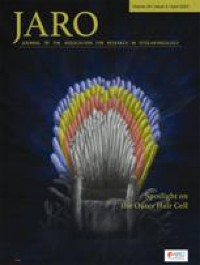
Neural Contributions to the Cochlear Summating Potential: Spiking and Dendritic Components

xlomafota13 shared this article with you from Inoreader

10162.jpg

Abstract

Using electrocochleography, the summating potential (SP) is a deflection from baseline to tones and an early rise in the response to clicks. Here, we use normal hearing gerbils and gerbils with outer hair cells removed with a combination of furosemide and kanamycin to investigate cellular origins of the SP. Round window electrocochleography to tones and clicks was performed before and after application of tetrodotoxin to prevent action potentials, and then again after kainic acid to prevent generation of an EPSP. With appropriate subtractions of the response curves from the different conditions, the contributions to the SP from outer hair cells, inner hair cell, and neural "spiking" and "dendritic" responses were isolated. Like hair cells, the spiking and dendritic components had opposite polarities to tones — the dendritic component had negative polarity and the spiking component had positive polarity. The magnitude of the spiking component was larger than the dendritic across frequencies and intensities. The onset to tones and to clicks followed a similar sequence; the outer hair cells responded first, then inner hair cells, then the dendritic component, and then the compound action potential of the spiking response. These results show the sources of the SP include at least the four components studied, and that these have a mixture of polarities and magnitudes that vary across frequency and intensity. Thus, multiple possible interactions must be considered when interpreting the SP for clinical uses.

View on the web

Bioinspired Super-Strong Aqueous Synthetic Tissue Adhesives

xlomafota13 shared this article with you from Inoreader

Matter. 2022 Mar 2;5(3):933-956. doi: 10.1016/j.matt.2021.12.018. Epub 2022 Jan 25.

ABSTRACT

Existing tissue adhesives and sealants are far from satisfactory when applied on wet and dynamic tissues. Herein, we report a strategy for designing biodegradable super-strong aqueous glue (B-Seal) for surgical uses inspired by an English ivy adhesion strategy and a cement particle packing theory. B-Seal is a fast-gelling, super-strong, and elastic adhesive sealant composed of injectable water-borne biodegradable polyurethane (WPU) nanodispersions with mismatched particle sizes and counterions in its A-B formulation. B-Seal showed 24-fold greater burst pressure than DuraSeal®, 138-fold greater T-pull adhesive strength than fibrin glue, and 16-fold greater lap shear strength than fibrin glue. In vivo evaluation on a rat cerebrospinal fluid (CSF) rhinorrhea model and a porcine craniotomy model validated the safety and efficacy of B-Seal for effective C SF leak prevention and dura repair. The plant-inspired adhesion strategy combined with particle packing theory represents a new direction of designing the next-generation wet tissue adhesives for surgeries.

PMID:35252844 | PMC:PMC8896806 | DOI:10.1016/j.matt.2021.12.018

View on the web

Paget's disease of bone and megaloblastic anemia in a 72-year-old patient: A case report and systematic literature review

xlomafota13 shared this article with you from Inoreader

Exp Ther Med. 2022 Apr;23(4):269. doi: 10.3892/etm.2022.11195. Epub 2022 Feb 8.

ABSTRACT

Paget's disease of bone (PDB) is characterized by abnormal osteoclastic bone resorption with disorganized bone neo-formation, primarily affecting elderly (>55 years) patients. Although the majority of patients are asymptomatic, some patients may experience bone pain due to local periosteal involvement or osteoarthritic lesions in the spine; in addition, limb deformities may lead to secondary gait problems or degenerative joint changes. Anemia has an overall prevalence of 12-17% in elderly adults (>65 years old), with macrocytic anemia being the less common type. Megaloblastic anemia is a macrocytic anemia characterized by the presence of large, immature, nucleated cells (megaloblasts) in the blood, with the most common cause being a deficiency of folate and/or vitamin B12. We herein report the rare case of a 72-year-old male patient exhibitin g both these conditions, with the aim of discussing the possible association between the two and, most importantly, the clinical management of the patient in a real-life setting over a period of 10 years. The patient was diagnosed based on clinical symptoms (bone pain), radiological imaging and specific laboratory tests, and received discontinuous courses of bisphosphonates and cyanocobalamin supplementation therapy, based mainly on aggravated symptomatology. A systematic literature review was also performed and revealed not only the scarcity of reports on similar cases, but also the mechanisms that may underlie the possible association of PDB with macrocytic anemia due to vitamin B12 deficiency in elderly patients.

PMID:35251335 | PMC:PMC8892619 | DOI:10.3892/etm.2022.11195

View on the web