Πέμπτη 28 Ιανουαρίου 2021

De Novo vs Inverted Papilloma–Associated Sinonasal Squamous Cell Carcinoma Survival Outcomes

Greek DailyNews shared this article with you from Inoreader

ooi200090f1_1611091036.66902.png?Expires

This systematic review and meta-analysis uses data from studies retrieved f rom an Ovid Medline, Embase, Scopus, and Cochrane Library database search to investigate survival differences between de novo and inverted papilloma–associated sinonasal squamous cell carcinoma pathogenesis.
View on the web

Prevalence of anemia among patients with solid cancers at diagnosis

Greek DailyNews shared this article with you from Inoreader

journal.pone.0246202.g002&size=inline

by Mazen Almehmadi, Magdi Salih, Tariq E. Elmissbah, Abdulaziz Alsharif, Naif Alsiwiehri, Khalid Alzahrani, Alaa Shafie, Haytham Dahlawi

Objectives

The aim of this study was to estimate the prevalence of anemia among patients newly diagnosed with solid malignancies at King Faisal Hospital in Taif Province, Kingdom of Saudi Arabia.

Methods

A descriptive, cross-sectional, hospital-based study was conducted from December 2017 to March 2020. A total of 320 patients newly diagnosed with solid malignancy were examined to assess anemia prevalence.

Results

Of 320 patients with solid cancers, 245 (76.6%) were female and 75 (23.4%) were male. The median (interquartile range) age of 57 (45 ─ 66) years, range between 16 and 108 years. The types of cancer included were breast (29.1%), female genital tract (20.0%), colorectal (25.3%), head and neck (10.3%), urinary bladder (4.7%), prostate (5.0%), lung (2.5%), liver (2.2%) and lymphoma (0.9%). The prevalence of anemia at diagnosis of cancer was 44.1% across all cancer types. A higher anemia prevalence was noted in colorectal (n = 46/81, 56.8%) (p = 0.047).

Conclusion

Patients with colorectal or female genital tract cancers had a higher anemia prevalence (56.8% and 43.8%, respectively) than did patients with other cancers.


View on the web

The Possible Role of Sclerostin in the Pathogenesis of Tympanosclerosis

Greek DailyNews shared this article with you from Inoreader

?image=000508692-1.jpg

Objective: The aim of this study was to investigate sclerostin (SOST) expression in a rat model of experimental tympanosclerosis (TS) and its possible role in the formation of TS. Materials and Methods: Thirty-four SD rats were randomly divided into 2 groups: experimental group (n = 17) and normal group (n = 17). The left tympanic cavities in the experimental group were inoculated with methicillin-resistant Staphylococcus aureus. The changes of t ympanic membranes were examined and recorded under otoendoscope. Haematoxylin-eosin staining was adopted to detect the morphological changes in the tympanic membrane and middle ear mucosa. Immunohistochemistry and Western blot analysis were used to observe the expression of SOST, Wnt3a, β-catenin, and P-ERK1/2. Results: In the experimental group, sclerotic lesions were observed in 54.5% ears in the end of 6 weeks. Morphological changes such as mucosa incrassation, inflammatory cells infiltration, fibrous tissue proliferation, and interstitial tissue incrassation prominently appeared in the tympanic membrane and middle ear mucosa. SOST protein was mainly distributed in the cytoplasm of epithelial cells and gland cells, the expression of which increased significantly in the calcified experimental ears. In addition, expression levels of Wnt3a, β-catenin, and P-ERK1/2 increased significantly in the calcified group too. Conclusion: The upregulated expression level of SOST may be involved in the formation of TS, first, through the pro-phosphorylation of ERK1/2 in the inflammatory stage, and then through the enhancement of Wnt3a in the osteogenic stage.
Audiol Neurotol
View on the web

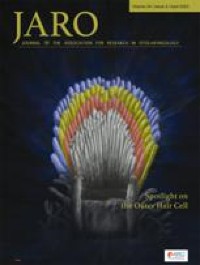
Stem Cells and Gene Therapy in Progressive Hearing Loss: the State of the Art

Greek DailyNews shared this article with you from Inoreader

10162.jpg

Abstract

Progressive non-syndromic sensorineural hearing loss (PNSHL) is the most common cause of sensory impairment, affecting more than a third of individuals over the age of 65. PNSHL includes noise-induced hearing loss (NIHL) and inherited forms of deafness, among which is delayed-onset autosomal dominant hearing loss (AD PNSHL). PNSHL is a prime candidate for genetic therapies due to the fact that PNSHL has been studied extensively, and there is a potentially wide window between identification of the disorder and the onset of hearing loss. Several gene therapy strategies exist that show potential for targeting PNSHL, including viral and non-viral approaches, and gene editing versus gene-modulating approaches. To fully explore the potential of these therapy strategies, a faithful in vitro model of the human inner ear is needed. Such models may come from induced pluripotent stem cells (iPSCs). The development of new treatment modalities by combining iPSC modeling with novel and innovative gene therapy approaches will pave the way for future applications leading to improved quality of life for many affected individuals and their families.

View on the web

5 things to know about capnography and respiratory distress

Greek DailyNews shared this article with you from Inoreader

3capnoEMS.jpg?w=1600&format=jpg&quality=

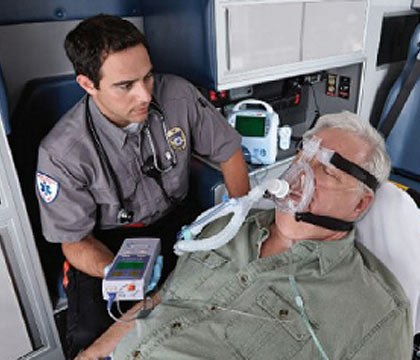
Understand how monitoring end-tidal carbon dioxide helps assess and treat a patient in respiratory distress
Attachments:
View on the web

Τετάρτη 27 Ιανουαρίου 2021

Research on Spatial Motion Safety Constraints and Cooperative Control of Robot‐Assisted Craniotomy: Beagle model experiment verification

xlomafota13 shared this article with you from Inoreader

Abstract:

Background

Traditional craniotomy depends primarily on the experience of the surgeon. However, the accuracy of manual operation is limited and carries certain surgical risks. The interaction method of current robot‐assisted craniotomy is unnatural and inadaptive to the operating style of the surgeon. In this research, we built a hands‐on synergistic robotics craniotomy system with human‐machine collaboration. Safe isometric surfaces and virtual restraint methods are combined to achieve highly accurate, efficient, minimally invasive, and safe craniotomy.

Materials and methods

Fifteen 3D‐printed beagle skull models were used to evaluate system accuracy and the related image guidance process. It mainly includes: the design of the surgical plan, the adopted strategy based on motion constraint and safe isometric surface, and the impedance control method based on the position inner loop experiment via the human‐machine collaboration method. The trajectory tracking experiment was performed by applying human‐machine collaboration, and completing an experiment on the 3D printed beagle skull models involving drilling and milling of the skull performed by the robot, and evaluation of accuracy via computed tomographic (CT) scanning verification after the operation.

Results

The 3D‐printed beagle skull model experiment shows that the average errors for the top surface and the bottom surface, and the angle error were 0.81 ± 0.15 mm, 0.89 ± 0.12 mm, and 1.74 ± 0.16 degrees, respectively. The average milling position errors for the top and bottom surfaces were 0.87 ± 0.19 mm and 0.93 ± 0.22 mm, respectively.

Conclusion

The performance of the robot system was evaluated and verified using a 3D printed beagle model experiment. The proposed collaborative surgical robot system is feasible and can complete a craniotomy, with improved accuracy and surgical safety.

This article is protected by copyright. All rights reserved.

View on the web

Development of a novel deployable arm for natural orifice transluminal endoscopic surgery(NOTES)

xlomafota13 shared this article with you from Inoreader

Abstract:

Background

NOTES is aided by the instrument channel of an endoscope. Limited by the diameter of the endoscope, the construction of the operation triangle is affected. This paper presents a deployable arm that can increase the distance between the arms.

Methods

The manipulation arm is composed of a continuum arm and a deployable arm. The deployable arm can be locked by a stay cable and a mechanical structure. The angle between the end‐effectors and the common workspace of the two manipulation arms are comprehensively analyzed. Through experiments, the design parameters are validated and justified.

Results

The experiment shows that the deployment arm can maintain the deformation within 3.5 mm under a 300 g load, and the angle between the two end‐effectors can be maintained within the range of [88o ,110o].

Conclusions

The novel deployment arms enlarge the angle between the end effectors, which significantly improves the flexibility of the arms.

This article is protected by copyright. All rights reserved.

View on the web