Παρασκευή 28 Οκτωβρίου 2022

Broadly Neutralizing Antibodies for HIV Treatment: Broad in Theory, Narrow in Reality

alexandrossfakianakis shared this article with you from Inoreader

cid_ogimage.png

Abstract
In this viewpoint we briefly review the status of antiretroviral therapy, its unmet needs, and the role that broadly neutralizing antibodies (bNAbs) might have in the near future for the treatment of HIV. We summarize advances in the development of bNAbs as antiretroviral therapy, the results of main clinical trials of bNAbs for HIV treatment and prevention, and its role in cure trials. The limitations of broadly neutralizing antibodies are the current need for primary re sistance testing, the still unclear number of antibodies that must be combined, the lack of penetration in anatomical reservoirs and the role they might play in cure studies. We compare the advantages and disadvantages of "classical ART" and therapy based on broadly neutralizing antibodies. We conclude that broadly neutralizing antibodies still need considerable improvements before they can be considered an alternative to "classical ART".
View on Web

Τετάρτη 26 Οκτωβρίου 2022

Exhaled Breath Aerosol Shedding by Highly Transmissible Versus Prior SARS-CoV-2 Variants

alexandrossfakianakis shared this article with you from Inoreader
Abstract
Background
Aerosol inhalation is recognized as the dominant mode of SARS-CoV-2 transmission. Three highly transmissible lineages evolved during the pandemic. One hypothesis to explain increased transmissibility is that natural selection favors variants with higher rates of viral aerosol shedding. However, the extent of aerosol shedding of successive SARS-CoV-2 variants is unknown. We aimed to measure the infectivity and rate of SARS-CoV-2 shedding into exhaled breath aerosol (EBA) by individuals during the Delta and Omicron waves and compared those rates with those of prior SARS-CoV-2 variants from our previously published work.
Methods
COVID-19 cases (n = 93, 32 vaccinated and 20 boosted) were recruited to give samples, including 30-minute breath samples into a Gesundheit-II exhaled breath aerosol sampler. Samples were quantified for viral RNA using RT-PCR and cultured for virus.
Results
Alpha (n = 4), Delta ( n = 3), and Omicron (n = 29) cases shed significantly more viral RNA copies into exhaled breath aerosols than cases infected with ancestral strains and variants not associated with increased transmissibility (n = 57). All Delta and Omicron cases were fully vaccinated and most Omicron cases were boosted. We cultured virus from the EBA of one boosted and three fully vaccinated cases.
Conclusions
Alpha, Delta, and Omicron independently evolved high viral aerosol shedding phenotypes, demonstrating convergent evolution. Vaccinated and boosted cases can shed infectious SARS-CoV-2 via EBA. These findings support a dominant role of infectious aerosols in transmission of SARS-CoV-2. Monitoring aerosol shedding from new variants and emerging pathogens can be an important component of future threat assessments and guide interventions to prevent transmission.
View on Web

Costs attributable to Clostridioides difficile infection based on the setting of onset

alexandrossfakianakis shared this article with you from Inoreader
Abstract
Background
Although it is established that hospital-onset CDI is associated with significant healthcare costs, the economic burden of CDI with onset in other facilities or the community has not been well studied.
Methods
Incident CDI cases were identified using 2011-2017 Medicare fee-for-service data. Controls were randomly selected in a 4:1 ratio matching to the CDI case surveillance definition. Inverse probability of exposure weights were used to balance on measured confounders. One-, 3-, and 5-year cumulative costs attributable to CDI were computed using a 3-part estimator (parametric survival model and pair of 2-part models predicting costs separately in intervals where death did and did not occur).
Results
60,492 CDI cases were frequency matched to 241,968 controls. One-, 3-, and 5-year adjusted attributable costs were highest for hospital-onset CDI at $14,257, $18,953, and $21,792, respectively compared to hospit alized controls, and lowest for community associated CDI compared to community controls at $1,013, $3,161, and $6,454, respectively. Adjusted 1-, 3-, and 5-year costs attributable to community-onset healthcare facility associated CDI were $8,222, $13,066, and $16,329 and for other health care facility onset CDI were $5,345, $6,764, and $7,125, respectively.
Conclusions
Economic costs attributable to CDI in elderly persons were highest for hospital-onset and community-onset healthcare facility associated CDI. Although lower, attributable costs due to CDI were significantly higher in cases with CDI onset in the community or other healthcare facility than for comparable persons without CDI. Additional strategies to prevent CDI in the elderly are needed to reduce morbidity and healthcare expenditures.

View on Web

Subgingival host‐microbiome metatranscriptomic changes following scaling and root planning in Grade II/III Periodontitis

alexandrossfakianakis shared this article with you from Inoreader

Abstract

Aims

To assess the effects of scaling and root planning (SRP) on the dynamics of gene expression by the host and the microbiome in subgingival plaque samples.

Methods

Fourteen periodontitis patients were closely monitored in the absence of periodontal treatment for 12 months. During this period, comprehensive periodontal examination and subgingival biofilm sample collection were performed bi-monthly. After 12 months, clinical attachment level (CAL) data was compiled and analyzed using linear mixed models (LMM) fitted to longitudinal CAL measurements for each tooth site. LMM classified sites as stable (S), progressing (P), or fluctuating (F). After 12 month visit, subjects received SRP and at 15 months they received comprehensive examination and supportive periodontal therapy (SPT). Those procedures were repeated at the 18 month visit, when patients were also sampled. Each patient contributed with one S, one P and one F site collected at 12 and 18 month visits. Samples were analyzed using Dual RNA-Sequencing to capture host and bacterial transcriptomes simultaneously.

Results

Microbiome and host response behavior were specific to the site's progression classification (i.e., S, P or F). Microbial profiles of pre and post-treatment samples exhibited specific microbiome changes, with progressing sites showing the most significant changes. Among them, P. gingivalis was reduced after treatment, while F. nucleatum showed an increase in proportion. Transcriptome analysis of the host response showed that IL-17, TNF signaling pathways, and neutrophil extracellular trap (NETs) formation were the primary immune response activities impacted by periodontal treatment.

Conclusion

Scaling and root planing resulted in a significant "rewiring" of host and microbial activities in the progressing sites, while in stable and fluctuating sites, the restructuring of the microbiome was minor.

This article is protected by copyright. All rights reserved.

View on Web

Δευτέρα 24 Οκτωβρίου 2022

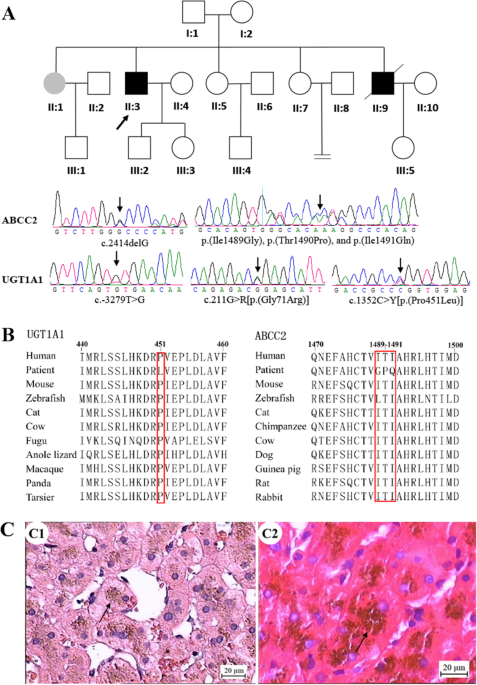
Concurrence of novel mutations causing Gilbert’s and Dubin–Johnson syndrome with poor clinical outcomes in a Han Chinese family

alexandrossfakianakis shared this article with you from Inoreader

10038_2022_1086_Fig1_HTML.png

Journal of Human Genetics, Published online: 24 October 2022; doi:10.1038/s10038-022-01086-1

Concurrence of novel mutations causing Gilbert's and Dubin–Johnson syndrome with poor clinical outcomes in a Han Chinese family
View on Web

Association between circulating 25‐hydroxyvitamin D metabolites and periodontitis: Results from the NHANES 2009‐2012 and Mendelian randomization study

alexandrossfakianakis shared this article with you from Inoreader

Abstract

Aim

This study sought to investigate associations of 25(OH)D metabolites with periodontitis, and to assess causality using Mendelian randomization (MR).

Methods

This study included 7,246 participants of the National Health and Nutrition Examination Survey, 2009–2012. The association of periodontitis with 25(OH)D metabolites was assessed using multivariable logistic regression analysis. 2-sample MR for 25(OH)D, 25(OH)D3, and C3-epi-25(OH)D3 with periodontitis (n = 17,353 cases/28,210 controls) was conducted. The principal analysis was inverse-variance-weighted approach. We controlled for horizontal pleiotropy using five additional methods.

Results

Based on the observational study, each 1-point increase in standard deviation of 25(OH)D lowered the risk of periodontitis by 15% (OR = 0.85, 95% CI: 0.78–0.93, P = 0.006) after multivariable adjustment. A similar relationship was observed between 25(OH)D3 and periodontitis (OR = 0.88, 95% CI: 0.80–0.97, P = 0.031). Furthermore, a potential nonlinear association was found between periodontitis with both 25(OH)D and 25(OH)D3. However, C3-epi-25(OH)D3 was not found to be associated with periodontitis risk. IVW-MR showed that periodontitis risk was not significantly associated with genetically increased levels of 25(OH)D (OR = 1.02, 95% CI: 0.90–1.16, P = 0.732), 25(OH)D3 (OR = 1.04, 95% CI: 0.93–1.17, P = 0.472), and C3-epi-25(OH)D3 (OR = 1.11, 95% CI: 0.87–1.41, P = 0.400). The pleiotropy-robust MR approaches yielded similar results after we had eliminated the variants with horizontal pleiotropy risk.

Conclusion

Cross-sectional observational analysis identified significant relationships between periodontitis with 25(OH)D metabolites, while findings based on MR study do not support a causal role.

This article is protected by copyright. All rights reserved.

View on Web

Κυριακή 23 Οκτωβρίου 2022

Epigenetic upregulation of Schlafen11 renders WNT- and SHH- activated medulloblastomas sensitive to cisplatin

alexandrossfakianakis shared this article with you from Inoreader
Abstract
Background
Intensive chemotherapeutic regimens with craniospinal irradiation have greatly improved survival in medulloblastoma patients. However, survival markedly differs among molecular subgroups and their biomarkers are unknown. Through unbiased screening, we found Schlafen family member 11 (SLFN11), which is known to improve response to DNA damaging agents in various cancers, to be one of the top prognostic markers in medulloblastomas. Hence, we explored the expression and functions of SLFN11 in medulloblastoma.
Methods
SLFN11 expression for each subgroup was assessed by immunohistochemistry in 98 medulloblastoma patient samples and by analyzing transcriptomic databases. We genetically or epigenetically modulated SLFN11 expression in medulloblastoma cell lines and determined cytotoxic response to the DNA damaging agents cisplatin and topoisomerase I inhibitor SN-38 in vitro and in vivo.
Results
High SLFN11 expressing cases exhibited significantly longer survival than low expressing cases. SLFN11 was highly expressed in the WNT-activated subgroup and in a proportion of the SHH-activated subgroup. While WNT activation was not a direct cause of the high expression of SLFN11, a specific hypomethylation locus on the SLFN11 promoter was significantly correlated with high SLFN11 expression. Overexpression or deletion of SLFN11 made medulloblastoma cells sensitive and resistant to cisplatin and SN-38, respectively. Pharmacological upregulation of SLFN11 by the brain-penetrant histone deacetylase-inhibitor RG2833 markedly increased sensitivity to cisplatin and SN-38 in SLFN11-negative medulloblastoma cells. Intracranial xenograft studies also showed marked sensitivity to cisplatin by SLFN11-overexpression in medulloblastoma cells.
Conclusio ns
High SLFN11 expression is one factor which renders favorable outcomes in WNT-activated and a subset of SHH-activated medulloblastoma possibly through enhancing response to cisplatin.
View on Web