Πέμπτη 23 Ιουνίου 2022

Novel cancer gene discovery using a forward genetic screen in RCAS-PDGFB-driven gliomas

alexandrossfakianakis shared this article with you from Inoreader
Abstract
Background
Malignant gliomas, the most common malignant brain tumors in adults, represent a heterogeneous group of diseases with poor prognosis. Retroviruses can cause permanent genetic alterations that modify genes close to the viral integration site.
Methods
Here we describe the use of a high-throughput pipeline coupled to the commonly used tissue-specific retroviral RCAS-TVA mouse tumor model system. Utilizing next generation sequencing, we show that retroviral integration sites can be reproducibly detected in malignant stem cell lines generated from RCAS-PDGFB-driven glioma biopsies.
Results
A large fraction of common integration sites contained genes that have been dysregulated or misexpressed in glioma. Others overlapped with loci identified in previous glioma-related forward genetic screens, but several novel putative cancer-causing genes were also found. Integrating retroviral tagging and clinical data, Ppfibp1 was highlighted as a frequently tagged novel glioma-causing gene. Retroviral integrations into the locus resulted in Ppfibp1 upregulation, and Ppfibp1-tagged cells generated tumors with shorter latency upon orthotopic transplantation. In human gliomas, increased PPFIBP1 expression was significantly linked to poor prognosis and PDGF treatment resistance.
Conclusions
Altogether, the current study has demonstrated a novel approach to tagging glioma genes via forward genetics, validating previous results, and identifying PPFIBP1 as a putative oncogene in gliomagenesis.
View on Web

Τετάρτη 22 Ιουνίου 2022

Functional and biomechanical assessment of the hand following ulnar forearm free flap transfer: Prospective self‐controlled study

alexandrossfakianakis shared this article with you from Inoreader

Abstract

Background

There is a shortage of well-designed self-controlled studies evaluating hand biomechanics following ulnar forearm flap (UFF) harvest. This study was conducted to evaluate objective and subjective functional outcomes of the donor's hand following UFF harvest.

Methods

All patients undergoing UFF were included for analysis. Grip strength, wrist movement, forearm supination and pronation, pinch strengths, sensation to light touch and temperature, and hand dexterity were assessed preoperatively and at 1, 3, and 6 months postoperatively. In addition, DASH score (disabilities of the arm, shoulder, and hand score) and Patient and Observer Scar Assessment Scale (POSAS) were analyzed.

Results

A total of 18 patients were enrolled. A significant reduction in grip strength for donor's hand was observed between preoperative and postoperative 1 and 3 months (mean difference = 14 kg, 7.38 kg, respectively, p = 0.000 for all). A similar trend was observed for pinch strength and range of motion (p < 0.05). Three months after surgery, there is still a significant reduction in tip pinch, tripod pinch, wrist extension, and supination. All biomechanics outcomes returned to preoperative baseline at 6 months after surgery. No patients suffered significant changes in sensation to light touch, temperature, and numbness by 6 months. There was a significant increase in DASH score by 3.37 points 6 months after operation (p = 0.000). The POSAS score indicates satisfaction with the appearance of the donor site.

Conclusions

UFF is a safe and reliable option for oral cavity reconstruction with minimum donor site morbidities, mainly when cosmesis is paramount. Furthermore, objective hand biomechanics ultimately returns to its preoperative state within 6 months after surgery.

View on Web

Beta-lactam antibiotic therapeutic drug monitoring in critically ill patients: a systematic review and meta-analysis et al.

alexandrossfakianakis shared this article with you from Inoreader
ABSTRACT
Therapeutic drug monitoring (TDM) of beta-lactam antibiotics is recommended to address the variability in exposure observed in critical illness. However, the impact of TDM-guided dosing on clinical outcomes remains unknown. We conducted systematic review and meta-analysis on TDM-guided dosing and clinical outcomes (all-cause mortality, clinical cure, microbiological cure, treatment failure, hospital and ICU length of stay, target attainment, antibiotic-related adverse events, and emergence of resistance) in critically ill patients with suspected or proven sepsis. Eleven studies (n = 1463 participants) were included. TDM-guided dosing was associated with improved clinical cure (Relative Risk 1.17; 95% Confidence Interval [1.04, 1.31]), microbiological cure (1.14; [1.03, 1.27]), treatment failure (0.79; [0.66, 0.94]), and target attainment (1.85; [1.08, 3.16]). No associations with mortality and length of stay were found. TDM-guided dosing impr oved clinical and microbiological cure, and treatment response. Larger, prospective randomized trials are required to better assess the utility of beta-lactam TDM in critically ill patients.
View on Web

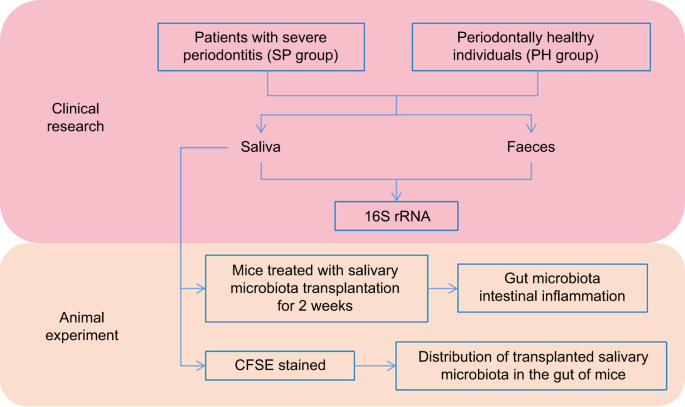
Periodontitis may induce gut microbiota dysbiosis via salivary microbiota

alexandrossfakianakis shared this article with you from Inoreader

41368_2022_183_Fig1_HTML.png

View on Web

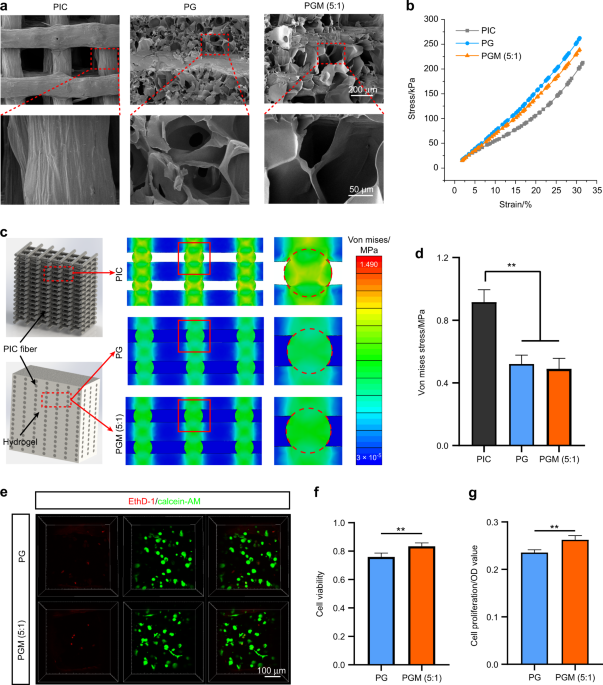
A hierarchical vascularized engineered bone inspired by intramembranous ossification for mandibular regeneration

alexandrossfakianakis shared this article with you from Inoreader

41368_2022_179_Fig1_HTML.png

International Journal of Oral Science, Published online: 22 June 2022; doi:10.1038/s41368-022-00179-z

A hierarchical vascularized engineered bone inspired by intramembranous ossification for mandibular regeneration
View on Web

Τρίτη 21 Ιουνίου 2022

Pregnancy exposure to phenols and anthropometric measures in gestation and at birth

alexandrossfakianakis shared this article with you from Inoreader

SocialThumb.00001648.DC.jpeg

Background: Some synthetic phenols alter pathways involved in fetal development. Despite their high within-subject temporal variability, earlier studies relied on spot urine samples to assess pregnancy exposure. In this study, we examined associations between prenatal phenol exposure and fetal growth. Methods: We measured concentrations of two bisphenols, four parabens, benzophenone-3, and triclosan in 478 pregnant women in two weekly pools of 21 samples each, collected at 18 and 34 gestational weeks. We used adjusted linear regressions to study associations between phenol concentrations and growth outcomes assessed twice during pregnancy and at birth. Results: Benzophenone-3 was positively associated with all ultrasound growth parameters in at least one time point, in males but not females. In females, butylparaben was negatively associated with third trimester abdominal circumference and weight at birth. We observed isolated associations for triclosan (negative) and for methylparaben and bisphenol S (positive) and late pregnancy fetal growth. Conclusions: Our results suggest associations between prenatal exposure to phenols and fetal growth. Benzophenone-3 was the exposure most consistently (positively) associated across all growth parameters. Copyright © 2022 Wolters Kluwer Health, Inc. All rights reserved.
View on Web

A novel homozygous missense mutation in the FASTKD2 gene leads to Lennox-Gastaut syndrome

alexandrossfakianakis shared this article with you from Inoreader

Journal of Human Genetics, Published online: 21 June 2022; doi:10.1038/s10038-022-01056-7

A novel homozygous missense mutation in the FASTKD2 gene leads to Lennox-Gastaut syndrome
View on Web