Τρίτη 4 Σεπτεμβρίου 2018

Synergistic transcriptional changes in AMPA and GABAA receptor genes support compensatory plasticity following unilateral hearing loss.

Synergistic transcriptional changes in AMPA and GABAA receptor genes support compensatory plasticity following unilateral hearing loss.

Neuroscience. 2018 Aug 31;:

Authors: Balaram P, Hackett TA, Polley DB

Abstract
Debilitating perceptual disorders including tinnitus, hyperacusis, phantom limb pain and visual release hallucinations may reflect aberrant patterns of neural activity in central sensory pathways following a loss of peripheral sensory input. Here, we explore short- and long-term changes in gene expression that may contribute to hyperexcitability following a sudden, profound loss of auditory input to one ear. We used fluorescence in situ hybridization to quantify mRNA levels for genes encoding AMPA and GABAA receptor subunits (Gria2 and Gabra1, respectively) in single neurons from the inferior colliculus (IC) and auditory cortex (ACtx). Thirty days after unilateral hearing loss, Gria2 levels were significantly increased while Gabra1 levels were significantly decreased. Transcriptional rebalancing was more pronounced in ACtx than IC and bore no obvious relationship to the degree of hearing loss. By contrast to the opposing, synergistic shifts in Gria2 and Gabra1 observed 30 days after hearing loss, we found that transcription levels for both genes were equivalently reduced after 5 days of hearing loss, producing no net change in the excitatory/inhibitory transcriptional balance. Opposing transcriptional shifts in AMPA and GABA receptor genes that emerge several weeks after a peripheral insult could promote both sensitization and disinhibition to support a homeostatic recovery of neural activity following auditory deprivation. Imprecise transcriptional changes could also drive the system towards perceptual hypersensitivity, degraded temporal processing and the irrepressible perception of non-existent environmental stimuli, a trio of perceptual impairments that often accompany chronic sensory deprivation.

PMID: 30176318 [PubMed - as supplied by publisher]


from #Audiology via ola Kala on Inoreader https://ift.tt/2Nh7b7y
via IFTTT

Δευτέρα 3 Σεπτεμβρίου 2018

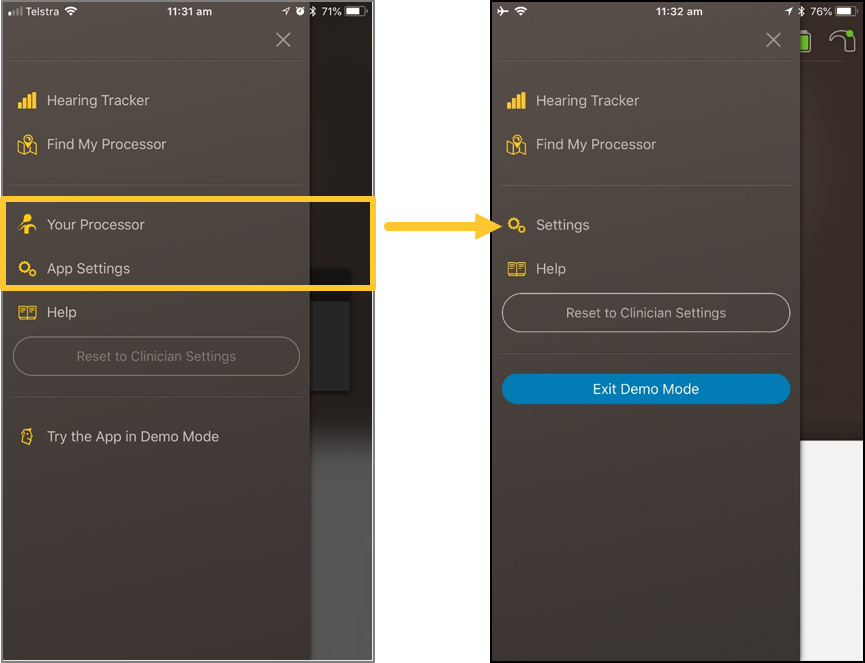
What's New for the Cochlear Nucleus 7 System

One year after launching the Nucleus 7 Sound Processor, Cochlear has expanded the features available to recipients. Clinicians working with this device will learn about these new features in order to serve their current patient population; and counsel candidates considering cochlear implantation.

from #Audiology via ola Kala on Inoreader https://ift.tt/2NbdfP3
via IFTTT

What's New for the Cochlear Nucleus 7 System

One year after launching the Nucleus 7 Sound Processor, Cochlear has expanded the features available to recipients. Clinicians working with this device will learn about these new features in order to serve their current patient population; and counsel candidates considering cochlear implantation.

from #Audiology via ola Kala on Inoreader https://ift.tt/2NbdfP3
via IFTTT

Functional behaviour of spinal muscles after training with an exercise device developed to recruit and train postural muscles

Publication date: Available online 2 September 2018

Source: Gait & Posture

Author(s): Tobias Weber, Sauro E. Salomoni, Dorothée Debuse, François Hug, Nick Caplan, Enrico De Martino, Jonathan Scott, Julie Hides, Paul Hodges


from #Audiology via ola Kala on Inoreader https://ift.tt/2wDUlH8
via IFTTT

Does the single-limb stance reflect chronic ankle instability in an athlete?

Publication date: Available online 2 September 2018

Source: Gait & Posture

Author(s): Takeshi Toyooka, Yukio Urabe, Shiro Sugiura, Akito Takata, Masanori Shinozaki, Yuka Takata, Tohru Ishizaki, Keita Nakamura, Kazumi Otsuki, Takato Oyama, Satoru Nishikawa

Abstract
Background

The single-limb stance with closed eyes has been widely used to evaluate chronic ankle instability as static balance; however, there was lack of consideration of whether difference in age, frequency of previous ankle sprain or physical ability influenced single-limb stance.

Research question

We hypothesized that the single-limb stance might not reflect subjective ankle instability and function on physical activity in people who perform sports activities.

Methods

In total, 102 high school basketball players were recruited to evaluate their physical performance at the beginning of the season. Participants were divided into five groups based on the frequency of previous ankle sprain. Karlsson ankle function score (K score) was considered as a subjective ankle function score, that was divided into various components. Each component and the single-limb stance test with center of pressure (COP) analysis was observed between the frequency of ankle sprains with one-way ANOVA and compared using Spearman’s rank correlation coefficient to verify the relationship between the K score and COP.

Results

For COP parameters, no difference was observed in the history of ankle sprains. The K score was lower in participants with three previous ankle sprains than in those with a different number of ankle sprains for instability, stiffness, running, work activities, support, and total K score for all parameters. There were weak negative correlations (r = -0.19~-0.35) between K score and COP parameters among participants with no history of ankle sprain or only once. In contrast, there were strong positive correlations (r = 0.69~0.87) among history of ankle sprain at third.

Significance

The single-limb stance might not accurately reflect an athlete’s ankle instability and function on physical activity. Clinically, therapists should choose suitable evaluation tools depending on the athlete’s activity level to check for chronic ankle instability.


from #Audiology via ola Kala on Inoreader https://ift.tt/2NL4mZp
via IFTTT

Functional behaviour of spinal muscles after training with an exercise device developed to recruit and train postural muscles

Publication date: Available online 2 September 2018

Source: Gait & Posture

Author(s): Tobias Weber, Sauro E. Salomoni, Dorothée Debuse, François Hug, Nick Caplan, Enrico De Martino, Jonathan Scott, Julie Hides, Paul Hodges


from #Audiology via ola Kala on Inoreader https://ift.tt/2wDUlH8
via IFTTT

Does the single-limb stance reflect chronic ankle instability in an athlete?

Publication date: Available online 2 September 2018

Source: Gait & Posture

Author(s): Takeshi Toyooka, Yukio Urabe, Shiro Sugiura, Akito Takata, Masanori Shinozaki, Yuka Takata, Tohru Ishizaki, Keita Nakamura, Kazumi Otsuki, Takato Oyama, Satoru Nishikawa

Abstract
Background

The single-limb stance with closed eyes has been widely used to evaluate chronic ankle instability as static balance; however, there was lack of consideration of whether difference in age, frequency of previous ankle sprain or physical ability influenced single-limb stance.

Research question

We hypothesized that the single-limb stance might not reflect subjective ankle instability and function on physical activity in people who perform sports activities.

Methods

In total, 102 high school basketball players were recruited to evaluate their physical performance at the beginning of the season. Participants were divided into five groups based on the frequency of previous ankle sprain. Karlsson ankle function score (K score) was considered as a subjective ankle function score, that was divided into various components. Each component and the single-limb stance test with center of pressure (COP) analysis was observed between the frequency of ankle sprains with one-way ANOVA and compared using Spearman’s rank correlation coefficient to verify the relationship between the K score and COP.

Results

For COP parameters, no difference was observed in the history of ankle sprains. The K score was lower in participants with three previous ankle sprains than in those with a different number of ankle sprains for instability, stiffness, running, work activities, support, and total K score for all parameters. There were weak negative correlations (r = -0.19~-0.35) between K score and COP parameters among participants with no history of ankle sprain or only once. In contrast, there were strong positive correlations (r = 0.69~0.87) among history of ankle sprain at third.

Significance

The single-limb stance might not accurately reflect an athlete’s ankle instability and function on physical activity. Clinically, therapists should choose suitable evaluation tools depending on the athlete’s activity level to check for chronic ankle instability.


from #Audiology via ola Kala on Inoreader https://ift.tt/2NL4mZp
via IFTTT